Five Waste Categories

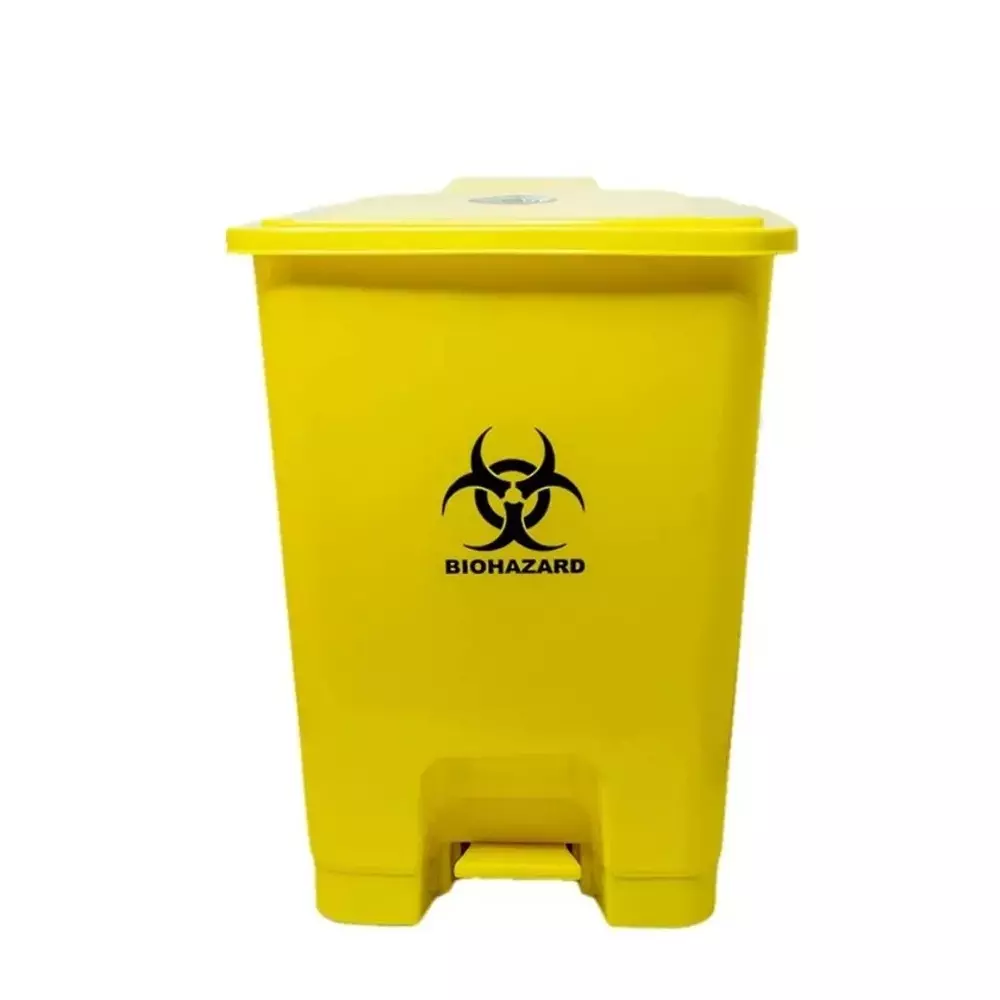
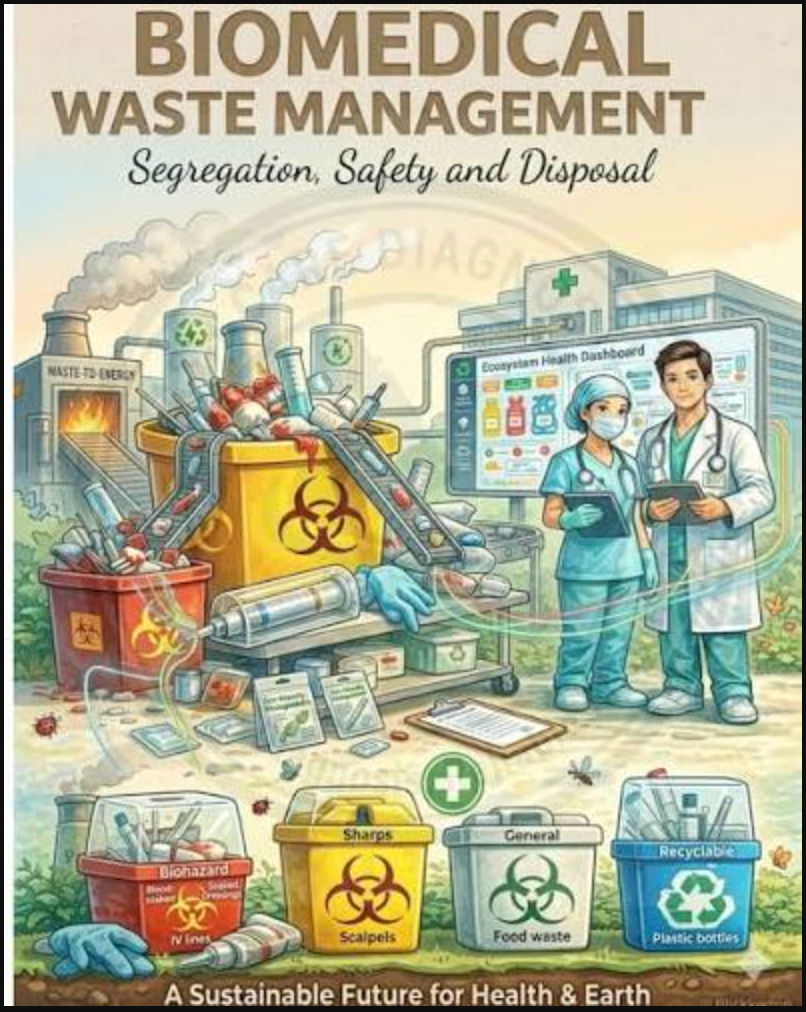
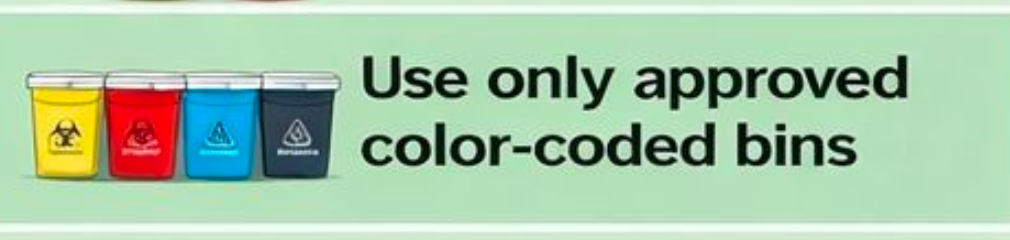
Biohazard Waste (Yellow)

Includes contaminated dressings, bandages, body fluids, and human anatomical waste requiring safe disposal.

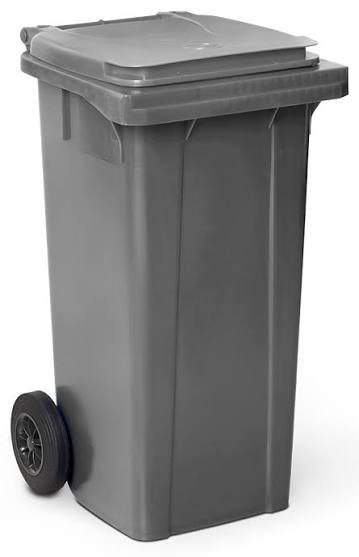
General Waste (Grey/Black)

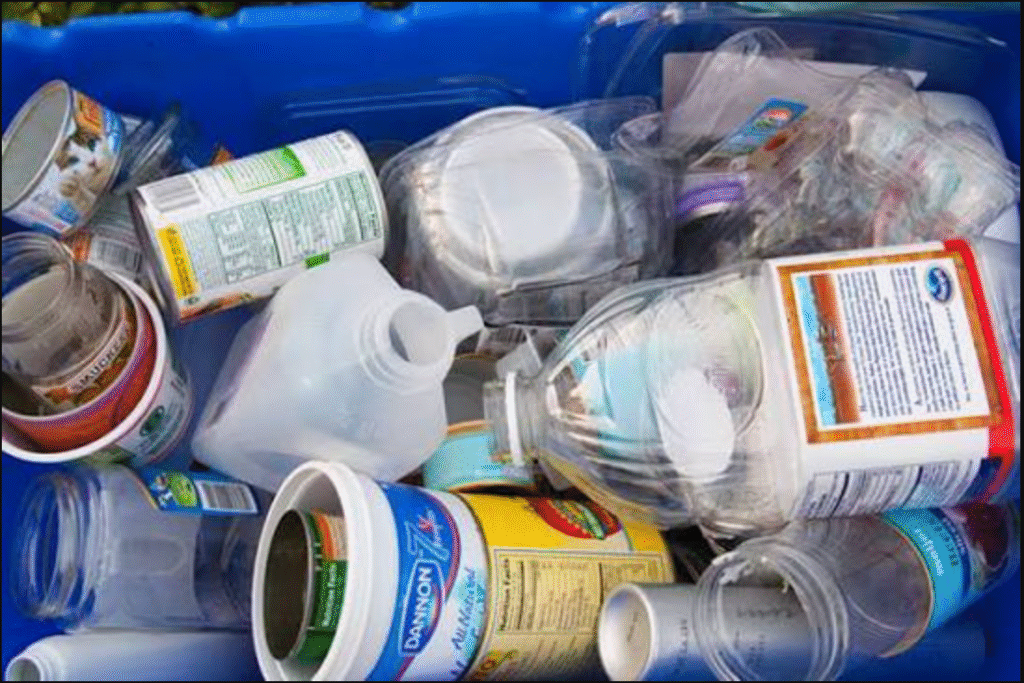
Consists of non-hazardous waste such as food scraps, packaging materials, and disposable items.

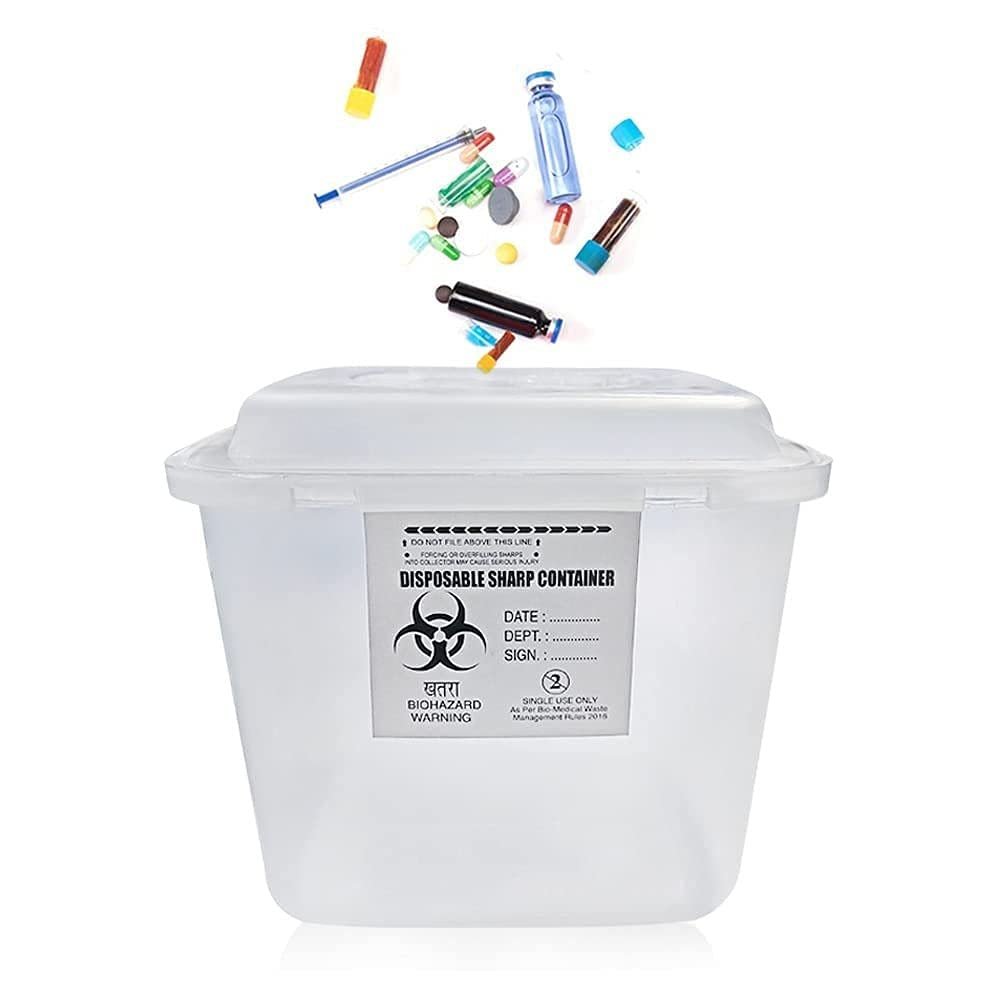
Sharp Waste (White)

Contains used needles, blades, syringes, and other sharp objects that can cause injury.

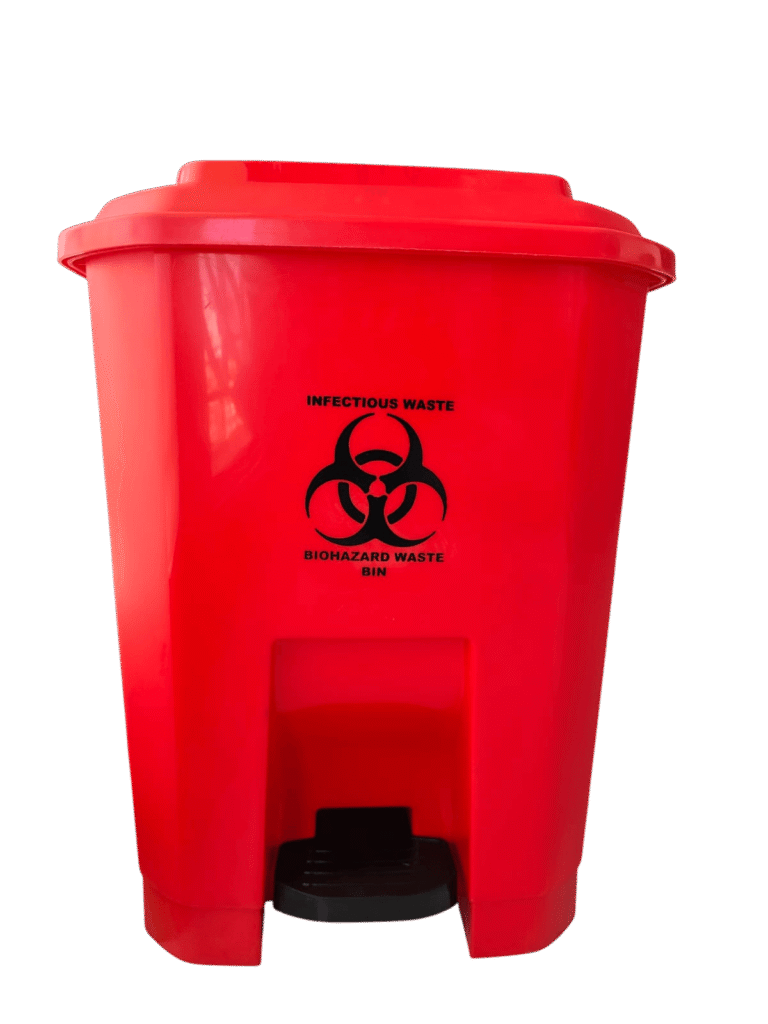
Infectious Plastic Waste (Red)

Comprises contaminated plastic items such as gloves, IV tubes, catheters, and syringes without needles.

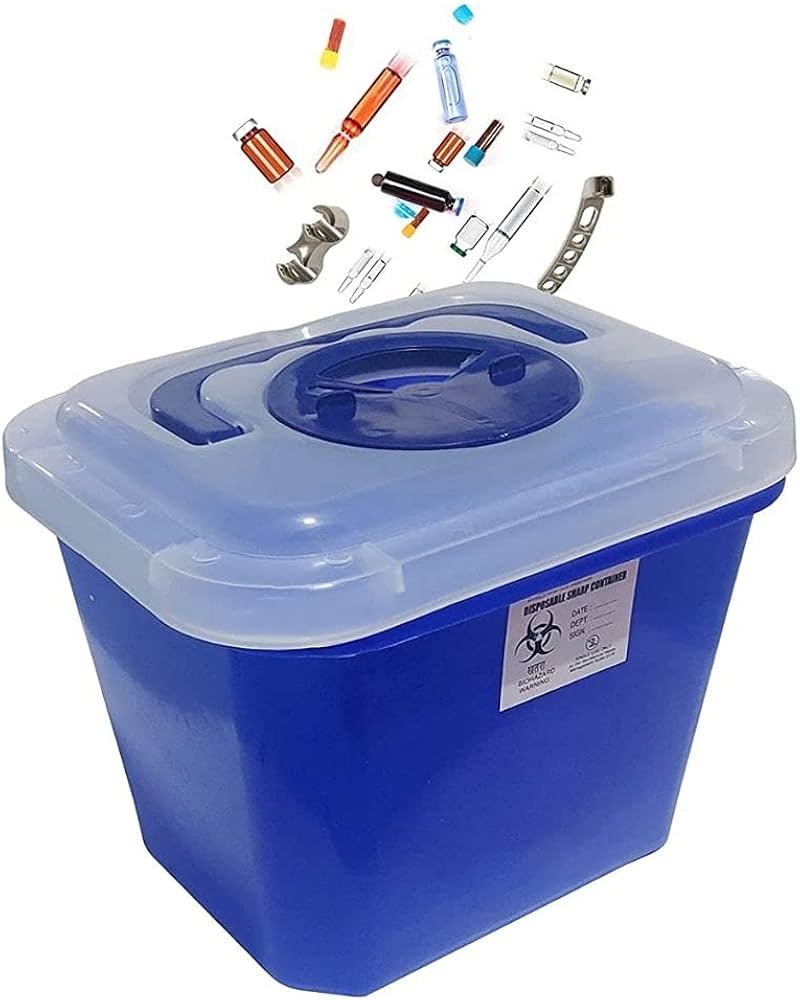
Glassware Waste (Blue)

Includes broken glass, medicine ampules, vials, and other recyclable glass items.

                    LAWS REGARDING BIOMEDICAL WASTE

The Biomedical Waste Management (BMW) Rules, 2016, notified on 28 March 2016, apply

to all entities involved in the generation, collection, storage, transport, treatment, and

disposal of biomedical waste. These rules exclude radioactive waste, municipal solid waste,

e-waste, hazardous waste, lead-acid batteries, and hazardous microorganisms .

Duties of Occupier (Healthcare Facilities):

Healthcare establishments must ensure safe and secure storage, proper segregation, staff
training, Hepatitis-B and Tetanus immunization for workers, phase out chlorinated
plastics, and implement a barcode system for biomedical waste tracking. Biomedical waste
should not be stored beyond 48 hours, except with valid justification to the SPCB .

Duties of Operator (CBMWTF):

Operators must ensure timely waste collection, report major accidents, assist in training,

upgrade incinerators, and implement barcode and GPS systems. Recyclable waste can be

handed over only after proper treatment . 

Recent Videos

                       Authorization & Reporting (Expanded):

Authorization

Non-bedded healthcare facilities (HCFs) are required to obtain a one-time authorization under the Biomedical Waste Management Rules, 2016, eliminating the need for periodic renewals, provided there is no change in operations or waste generation practices.

Annual Reporting:

Every healthcare occupier must submit an Annual Biomedical Waste Management Report to the prescribed authority on or before 30th June of each year. This report details the quantity of waste generated, treated, and disposed of, ensuring regulatory oversight and compliance.

Record Maintenance

Healthcare facilities must maintain detailed records for a minimum of five years, covering all aspects of biomedical waste handling, including generation, collection, storage, transportation, treatment, and final disposal. These records must be readily available for inspection by regulatory authorities.

Accident Reporting

Any major accident, such as spillage, exposure, fire, or equipment failure during handling or transportation of biomedical waste, must be reported immediately to the concerned authority. A detailed incident report must be submitted within 24 hours, outlining the cause, impact, and corrective actions taken to prevent recurrence.

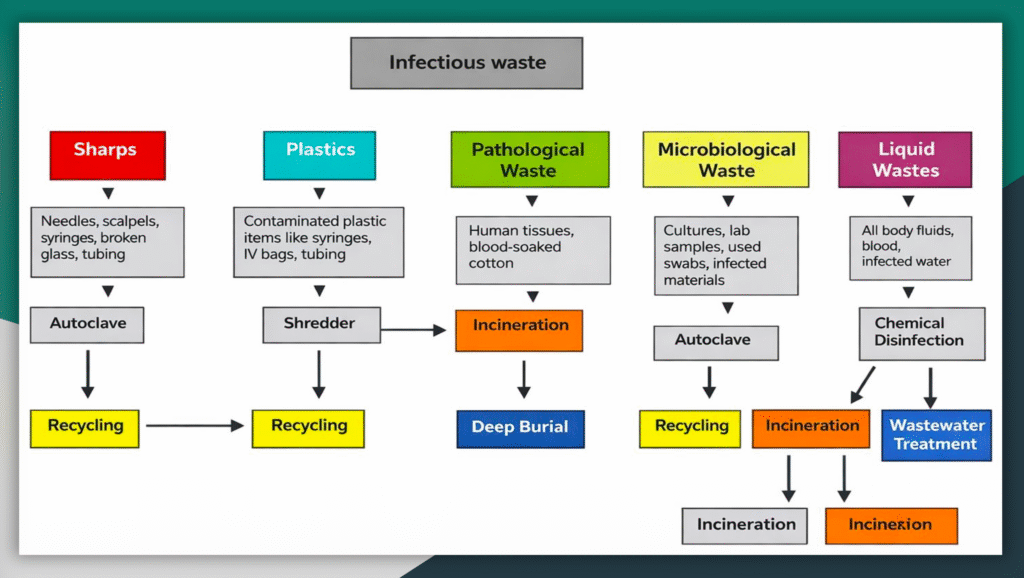
                                        Infectious Waste

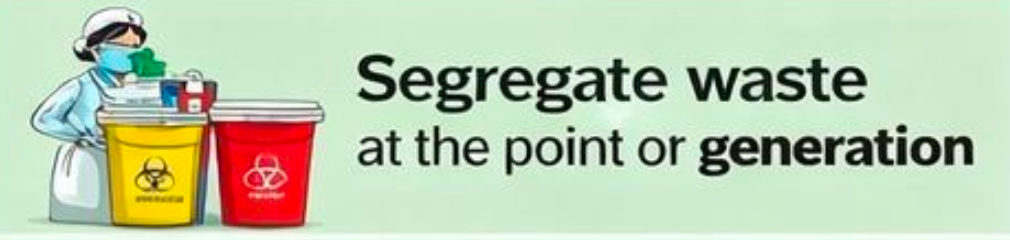
                     DO’s AND DON'Ts OF BMW HANDLING

                       DO’s

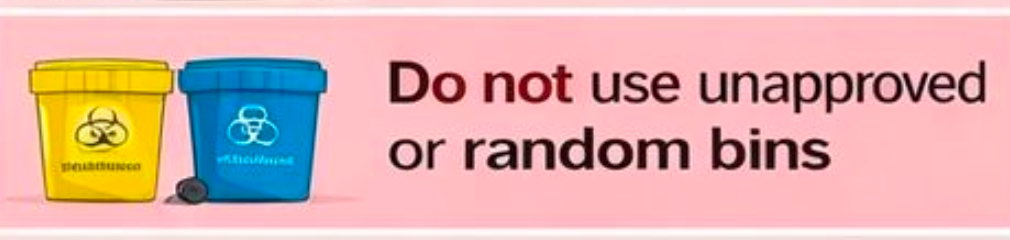
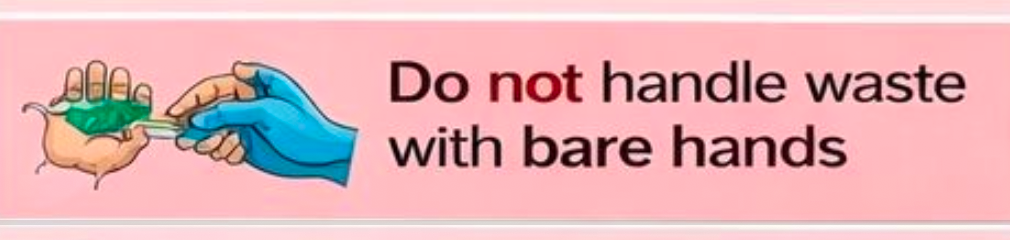
                       DON'Ts 

SEND MASSAGE FOR BIOMEDICAL WASTE MANAGEMENT TRAINING

Enquiry Form
Name
Name
First Name
Last Name
Scroll to Top